

Oilseeds
With hundreds of thousands of tons of rape seeds and sunflower seeds processed every year, Expur is one of the leading oilseed processors in Romania.
We source oilseeds from local farms and traders as well as international entities, but our priority remains romanian grown seeds.
Since 2022, Expur has been collecting a significant share of its romanian seed requirements directly from farmers who practice sustainable agriculture.
This focus on seed local sourcing is a key element of our strategy within the Avril Group, of which Expur is part of.
At the same time, we occasionally supplement supply with imported seeds to meet our customers’ demand, adapting to yearly shifts in local and European agricultural markets.
Seed purchasing and quality control
Seeds for processing are purchased by Expur under contracts that include supplier declarations regarding legal compliance with pesticide treatments during cultivation, harvesting, storage and transport.
The category of seeds used as raw materials for processing includes: sunflower seeds, high-oleic sunflower seeds, rapeseed and high-erucic rapeseed
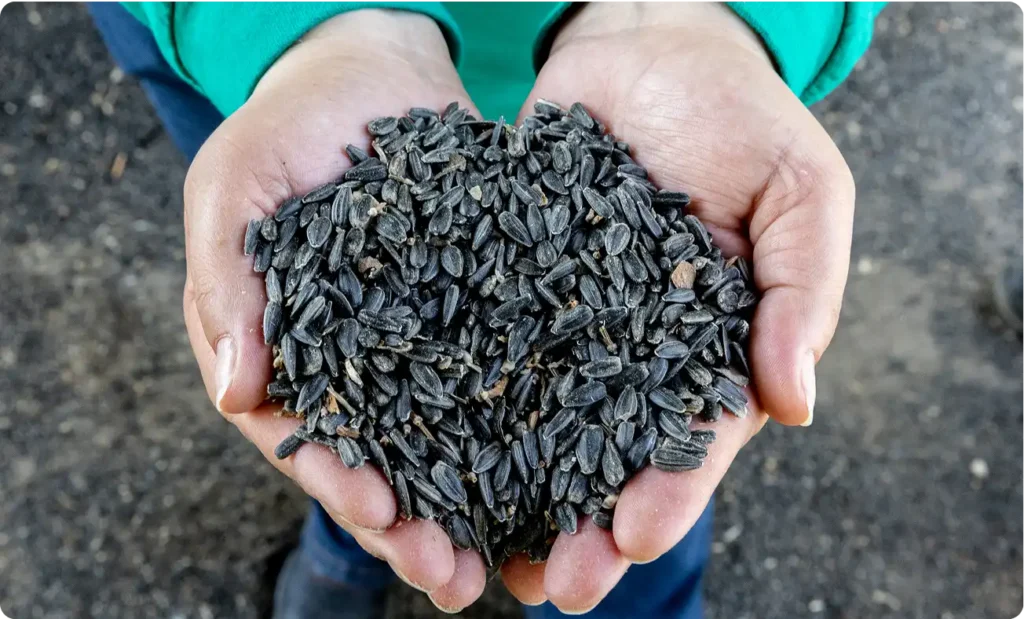

Seeds for processing are purchased by Expur under contracts that include supplier declarations regarding legal compliance with pesticide treatments during cultivation, harvesting, storage and transport.
Before signing any contract, suppliers of raw materials and logistics services (transport and storage) undergo mandatory evaluation, which may include audits, to ensure compliance with current food safety legislation as well as Expur’s own standards.
Our raw material reception procedures cover all aspects to be considered for keeping food safety hazards under control, ensuring the desired quality, as well as determining and optimizing greenhouse gas emissions at all stages, from sourcing to transport and storage in owned or rented silos, and up to processing in the factory.
The category of seeds used as raw materials include: sunflower seeds, high-oleic sunflower seeds, rape seeds and high-erucic rape seeds, all conventional and non genetically modified.
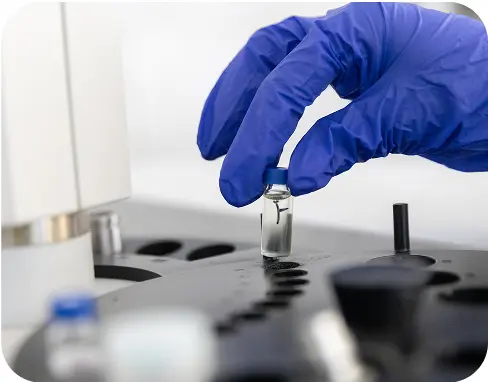
Upon delivery to our silos, seeds are tested in Expur laboratories following the control plan set by the Quality Department and communicated to the DSVSA, with non compliant raw materials being rejected.
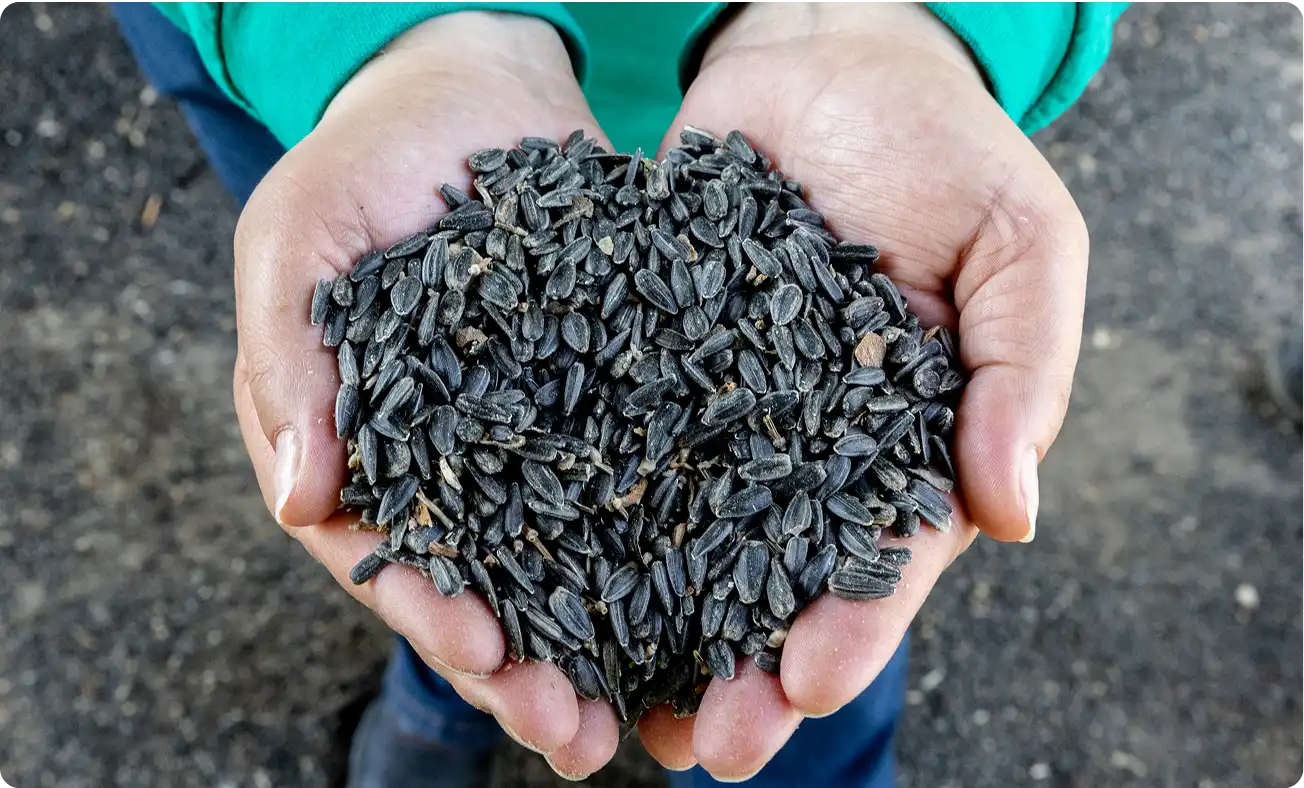
The Expur lab tests include moisture, impurities (straw, dust, allergens, toxic weed seeds etc.), oil content, oleic acid levels for high-oleic sunflower and erucic acid levels for high-erucic rape seeds. Additional food and animal feed safety tests (contaminants and unwanted substances) are performed by external laboratories that utilize standardised, ISO17025 analysis methods, with the frequency determined by HACCP risk analysis principles, to ensure the compliance of raw materials with national and EU legislation.
Moreover, to ensure traceability, seeds are conditioned (cleaned and dried) before storage, according to characteristics such as: moisture, oleic or erucic acid content and origin, logging all operations and monitoring the materials temperature throughout the entire storage period.
Rapeseeds
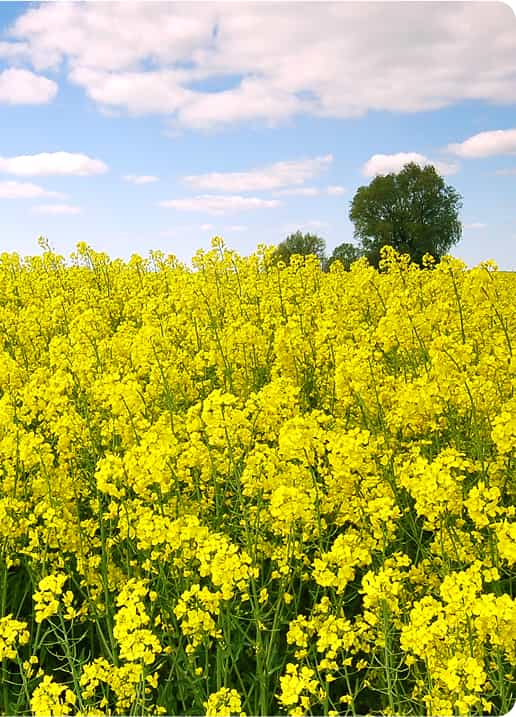
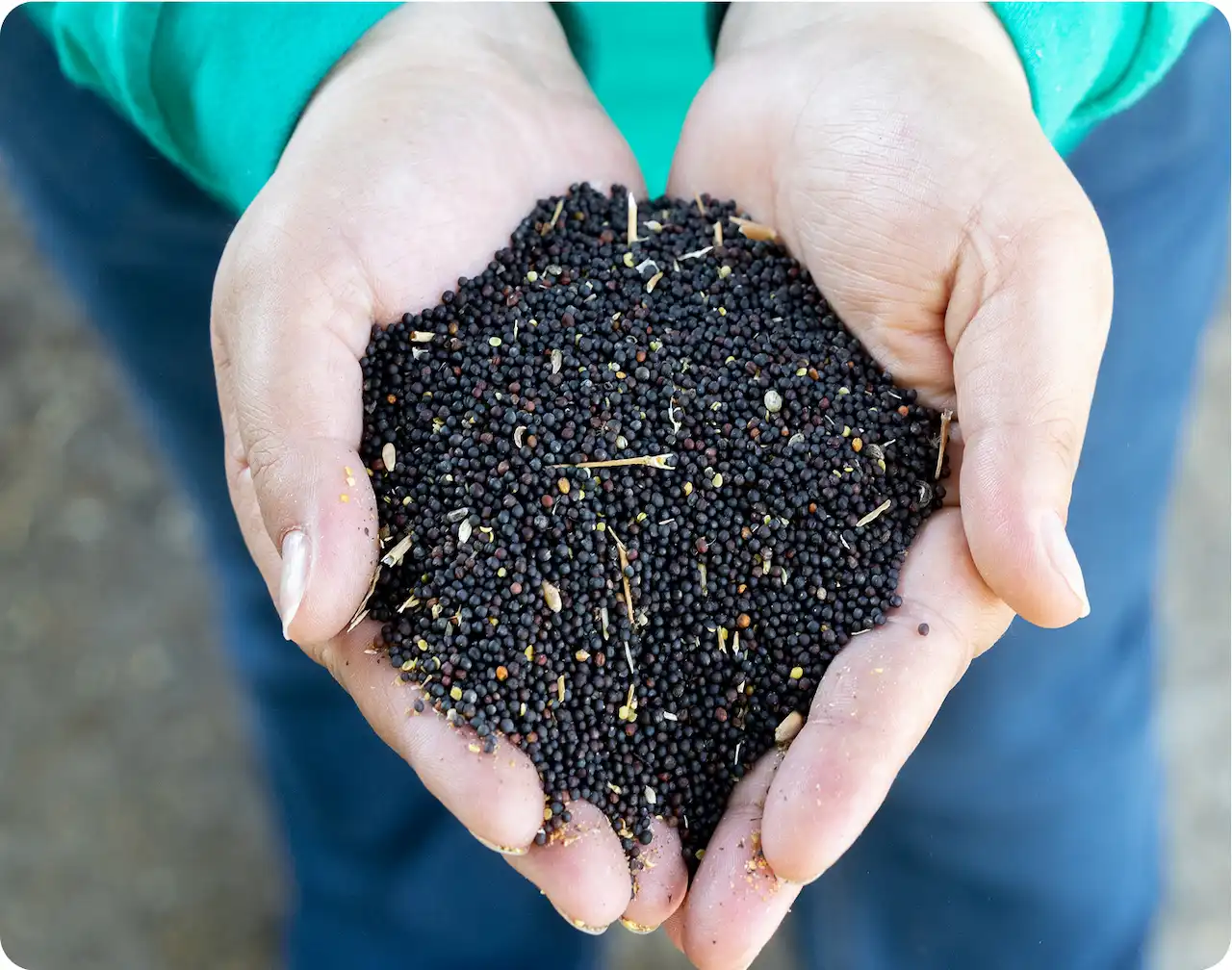
This plant, known to beautify our landscapes with its yellow color in April and May, produces seeds rich in vegetable oils and proteins.
The 00 rapeseeds (Brassica napus L.) come from a variety of rapeseed used in the production of edible oil. This variety has a maximum glucosinolate content of 25 μmol/g and a maximum erucic acid content of 2% of the total fatty acids, and is classified as “double low” (00) in accordance with the Common Catalogue of Varieties of Agricultural Plant Species – current edition.
Expur labs also feature the necessary equipment to handle high-erucic rape seeds (Brassica Napus L.), a variety with a minimum erucic acid content of 45% of total fatty acids, which is used exclusively for technical applications.
Between harvesting, which generally takes place in July, and processing, rapeseeds are stored either in Expur’s own silos or directly on farms by the farmers, with regular monitoring of storage quality parameters, mainly moisture and temperature.
Rapeseed crops benefits
Support for future harvests
Rapeseed is a multifunctional plant with numerous benefits.
Rapeseed is an excellent crop for crop rotation, helping to maintain soil fertility and leaving it free of weeds for the following crops, such as cereals.
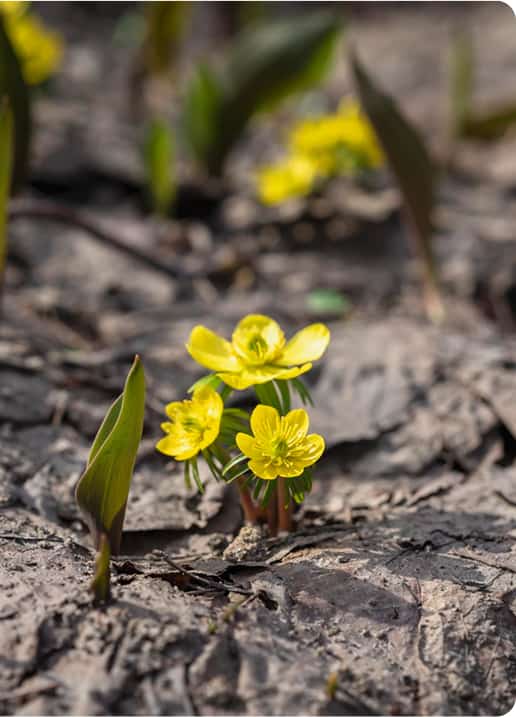
Healthier soil, higher yields
Its deep taproots help structure the soil and absorb any nitrogen residues present, preventing leaching into the groundwater.
When grown between cereal crops, rapeseed also breaks the cycle of diseases and weeds. All of these benefits allow the subsequent crop to achieve higher yields.
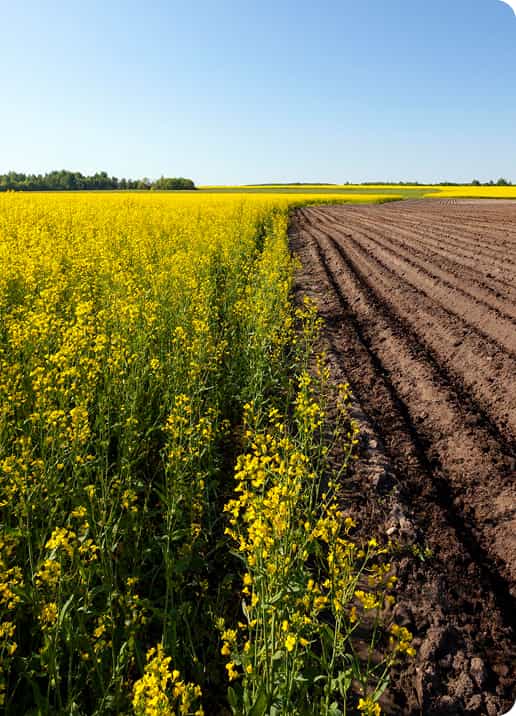
Efficiency at every stage
Rapeseed is also an economical crop, as it does not require irrigation and can be sown without ploughing or with minimal soil preparation.
Support for pollinators
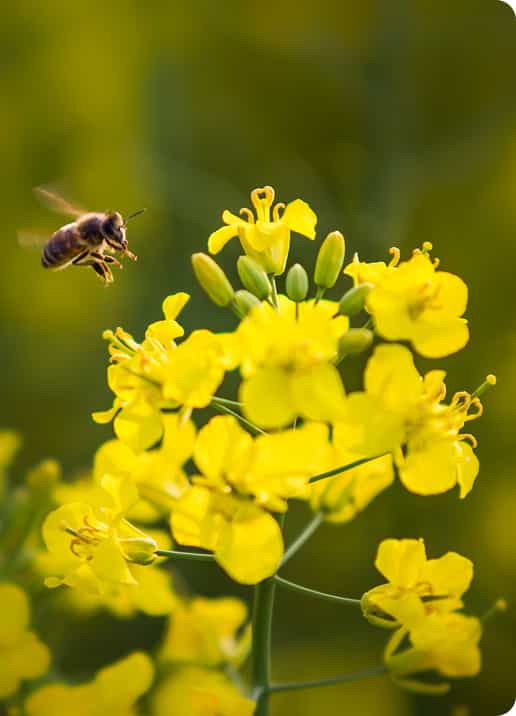
And the list of benefits doesn’t stop there: rapeseed is a melliferous plant, producing a significant amount of nectar which, in April and May, attracts pollinators, especially bees. Bees are also an important element preserved by farmers, as they contribute to pollination and therefore to rapeseed yields.
Rapeseeds uses
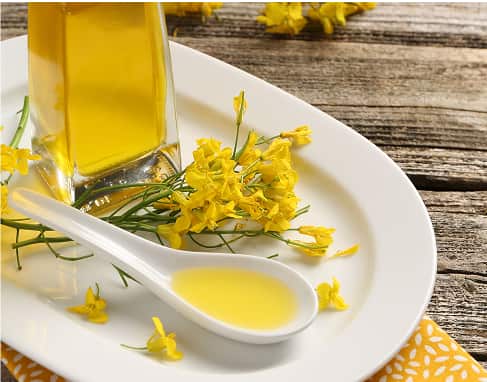
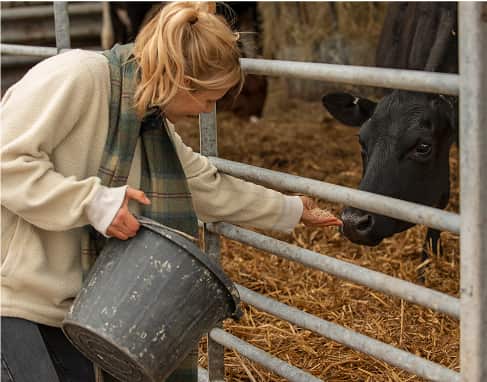
Rapeseeds undergo several stages of processing to produce rapeseed oil and animal feed, with each product and by-product having a well defined and planned purpose.
Processing
The benefits of rapeseed oil
Other uses
Animal feed
Sunflowerseeds
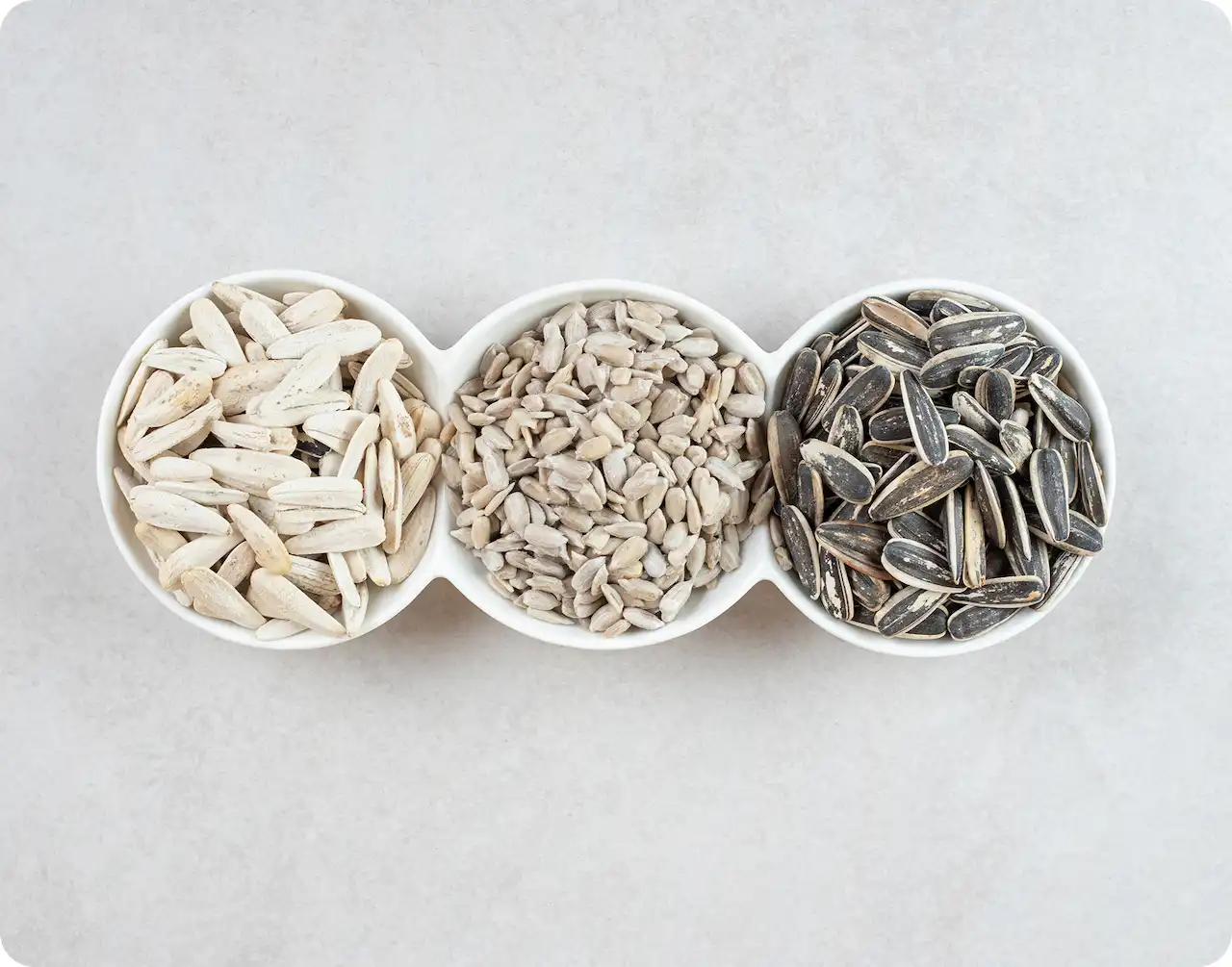
Romania ranks first in the European Union for sunflower cultivated area and is also one of the largest exporters of seeds in Europe.
There are two types of sunflower (Helianthus Annuus L) that Expur purchases: conventional sunflower and high-oleic sunflower. High-oleic sunflower oil has greater resistance to high temperatures and contains a minimum of 80% oleic acid, while conventional sunflower oil is rich in linoleic acid (omega 6).
Between harvesting, which generally takes place in August and September, and processing, sunflower seeds are stored either in Expur’s own silos or directly on farms by farmers, with quality parameters such as moisture and temperature monitored regularly during storage.
Expur processes sunflower seeds throughout the entire year at its industrial site in Slobozia, with the ability of using sunflower seed hulls, which are rich in cellulose, to produce steam and electricity for oil and biodiesel production processes.
Sunflower crops benefits
Productivity with low investment
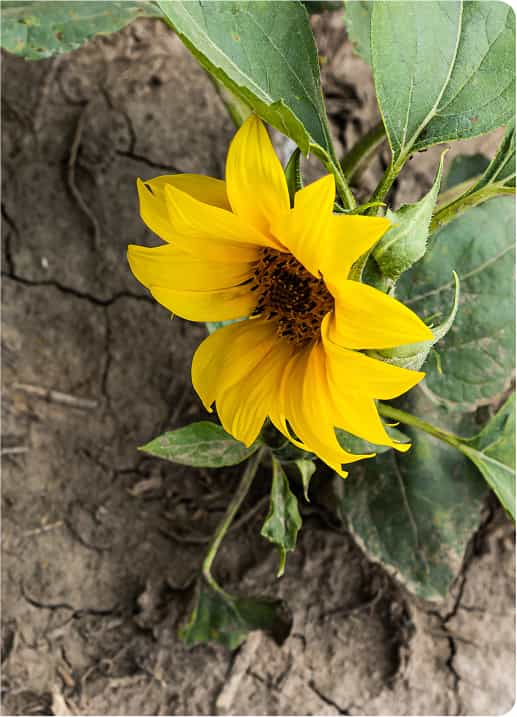
Valued for its vegetable oil, sunflower also has numerous agronomic benefits. Cultivating sunflower requires little intervention (fertilizers, plant protection treatments) and little irrigation.
High production in a short time
However, sunflower will achieve high yields when it is properly cared for and watered. As a rotational crop, sown in April and May for harvest in August and September, sunflower has a short growing cycle.

Honey-producing role
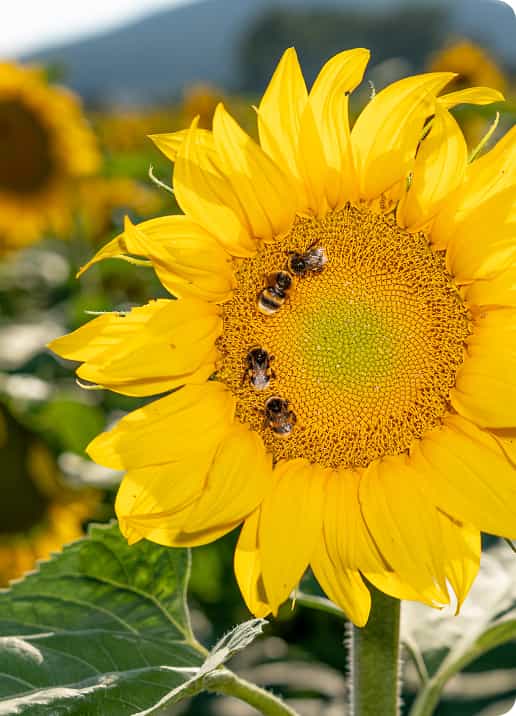
In addition, like rapeseed, sunflower is a melliferous plant. During the flowering period, in June and July, many pollinators – especially bees – visit sunflower crops. They are an important component that farmers strive to protect, as they contribute to pollination and, consequently, to the sunflower yield.
Sunflower seeds uses
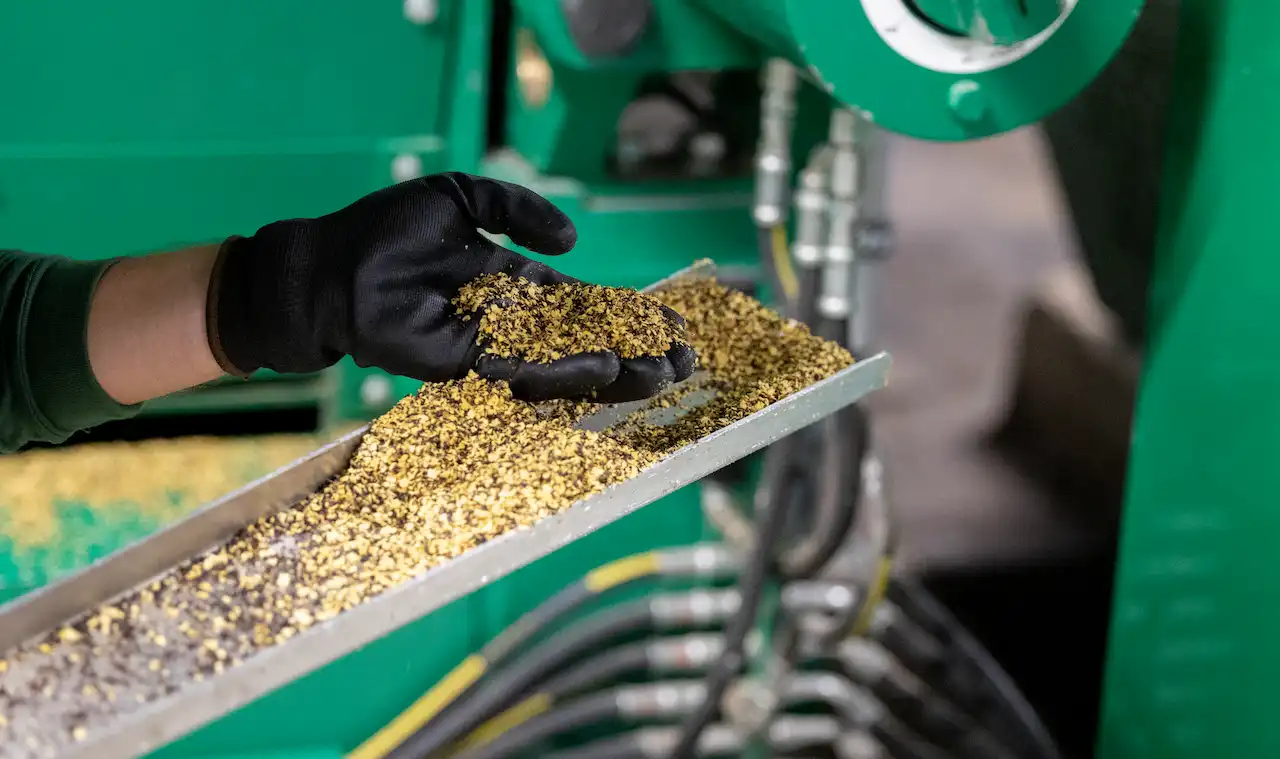
Sunflower seeds go through different stages of processing to obtain refined sunflower oil as well as by-products.
Cleaning
Processing
Other uses
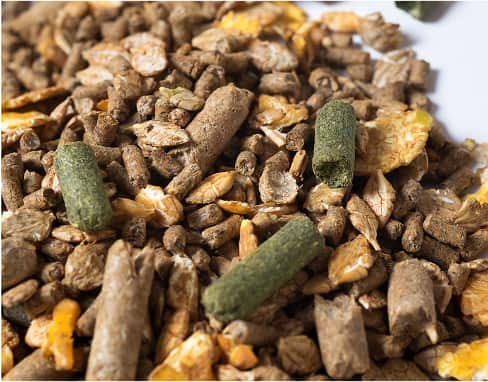
Animal feed
Our certifications for oilseeds:
ISCC PLUS
SO 9001:
SO 14001:
ISO 22000:
Kosher
Additional information about our certifications is available “here”
For more information,


